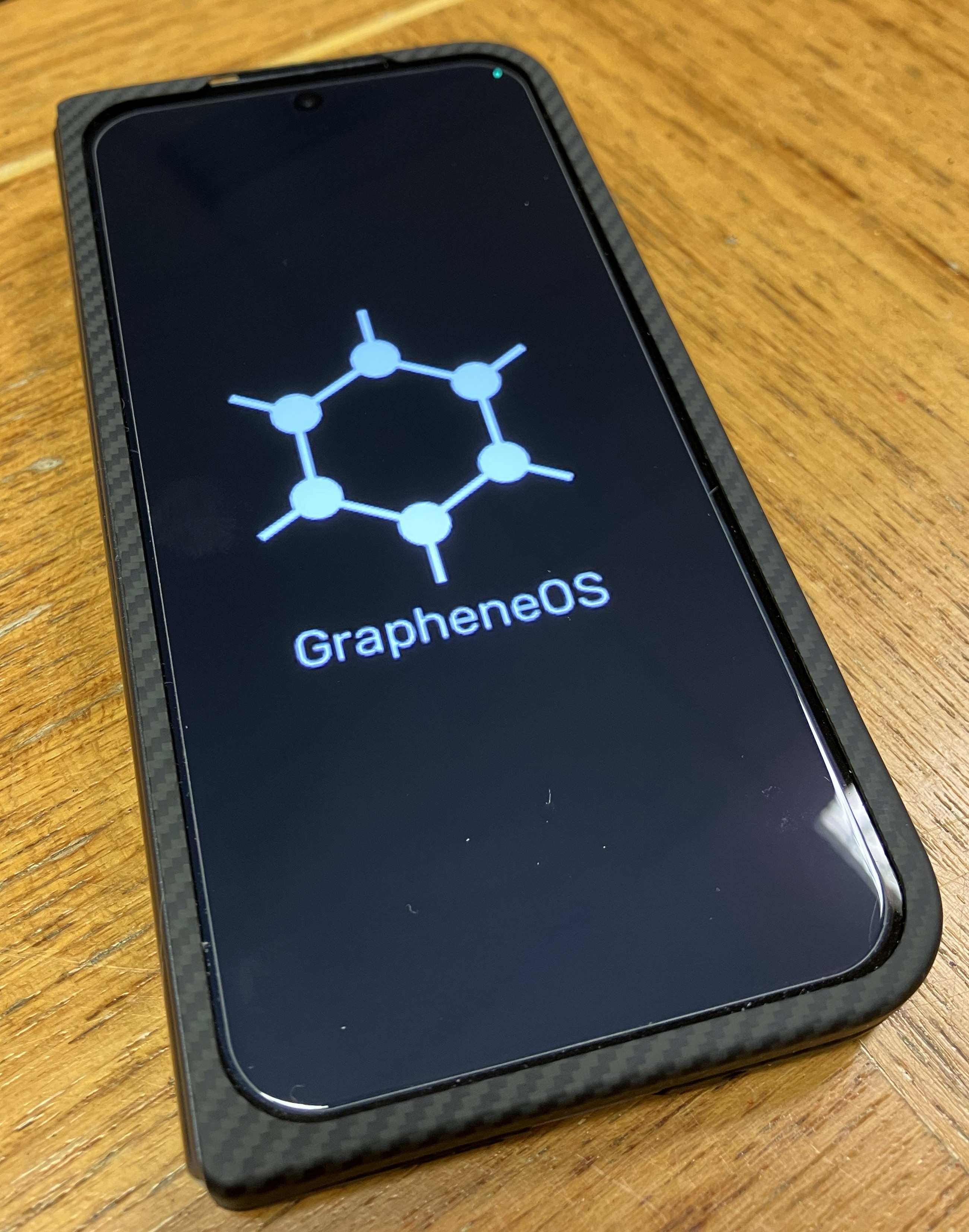
GrapheneOS, the privacy and security focused aftermarket operating system, has received an experimental build for the Pixel 10 series, marking the first custom ROM available for the range.
GrapheneOS pretty much solved the closed device trees issue you’re referring to. They don’t need them anymore and use their own toolchain to workaround the issues.
The problem with Pixel 10 was different: it was released with Android 16 QPR1 out-of-the-box, but this very QPR1 hasn’t been pushed to AOSP until a couple of weeks ago. This is why the GrapheneOS build for Pixel 10 was not possible: they could not/didn’t want to port the older Android 16 OS to Pixel 10’s hardware, and they didn’t have the source code of the QPR1 to build GrapheneOS on top of it.
Now the QPR1 (and currently even the QPR2) has been pushed to AOSP, so GrapheneOS has released Android 16 QPR1-based GrapheneOS both for older phones and for Pixel 10.


GrapheneOS pretty much solved the closed device trees issue you’re referring to. They don’t need them anymore and use their own toolchain to workaround the issues.
The problem with Pixel 10 was different: it was released with Android 16 QPR1 out-of-the-box, but this very QPR1 hasn’t been pushed to AOSP until a couple of weeks ago. This is why the GrapheneOS build for Pixel 10 was not possible: they could not/didn’t want to port the older Android 16 OS to Pixel 10’s hardware, and they didn’t have the source code of the QPR1 to build GrapheneOS on top of it.
Now the QPR1 (and currently even the QPR2) has been pushed to AOSP, so GrapheneOS has released Android 16 QPR1-based GrapheneOS both for older phones and for Pixel 10.